Bachelor of Science in Nursing
Manila Central University
 College of Medicine
The science behind care
First-Year Medical Student
Profile
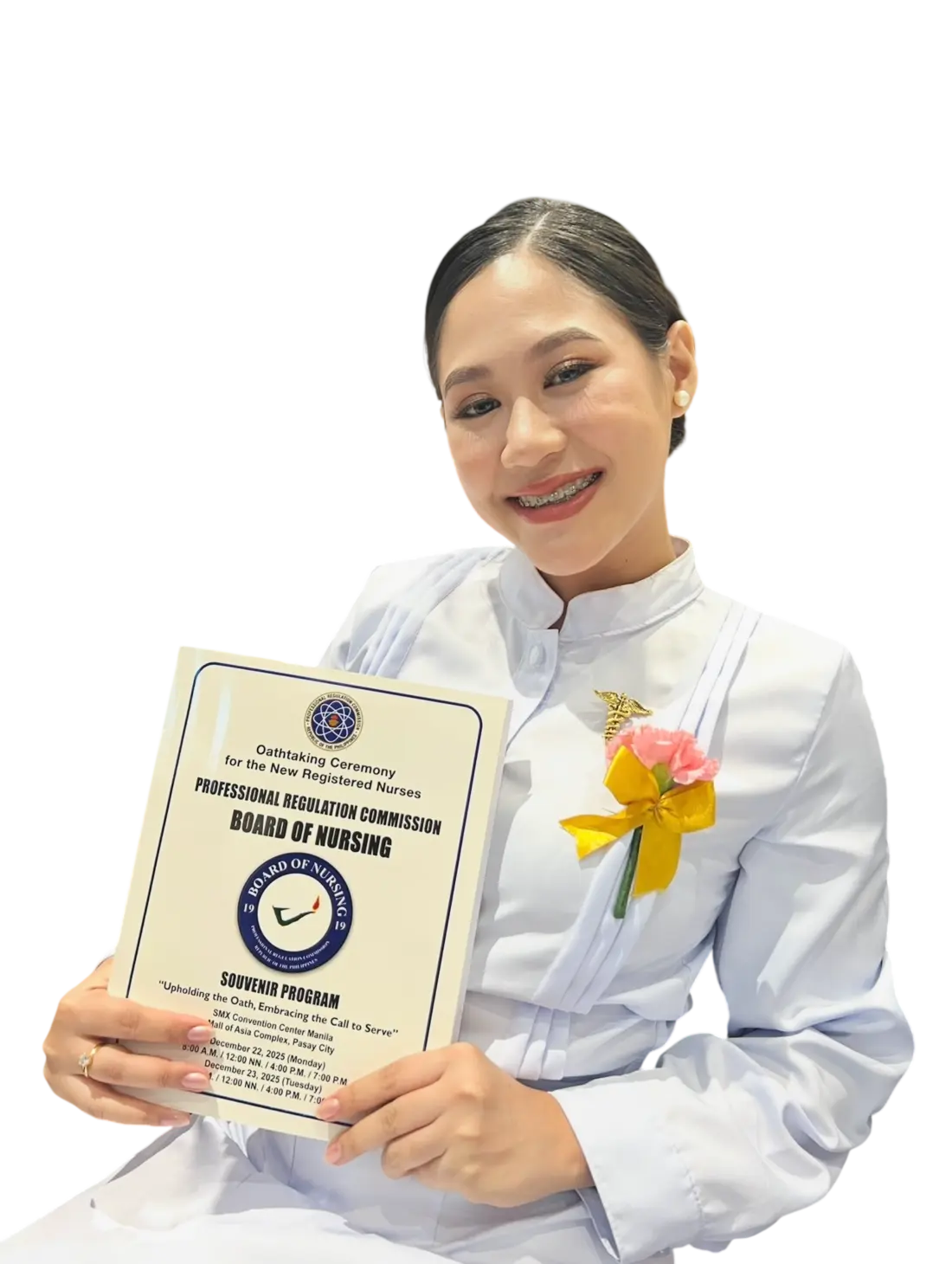
I am Ladylourds M. Diokno, a first-year medical student from Valenzuela City and a graduate of the Bachelor of Science in Nursing program.
I completed my undergraduate degree in July 2025 and passed the Philippine Nursing Licensure Examination in November 2025. My transition from nursing to medicine has deepened my appreciation for both patient-centered care and the science that supports every clinical decision.
I am exploring Anesthesiology, Obstetrics and Gynecology, and Otolaryngology while remaining open to where medical training leads me.
Foundation
Manila Central University
Philippine Nursing Licensure Examination
Manila Central University
Teamwork
Communication
Critical thinking
Adaptability
Compassion
Evidence appraisal
 Learning in community
Practice and service
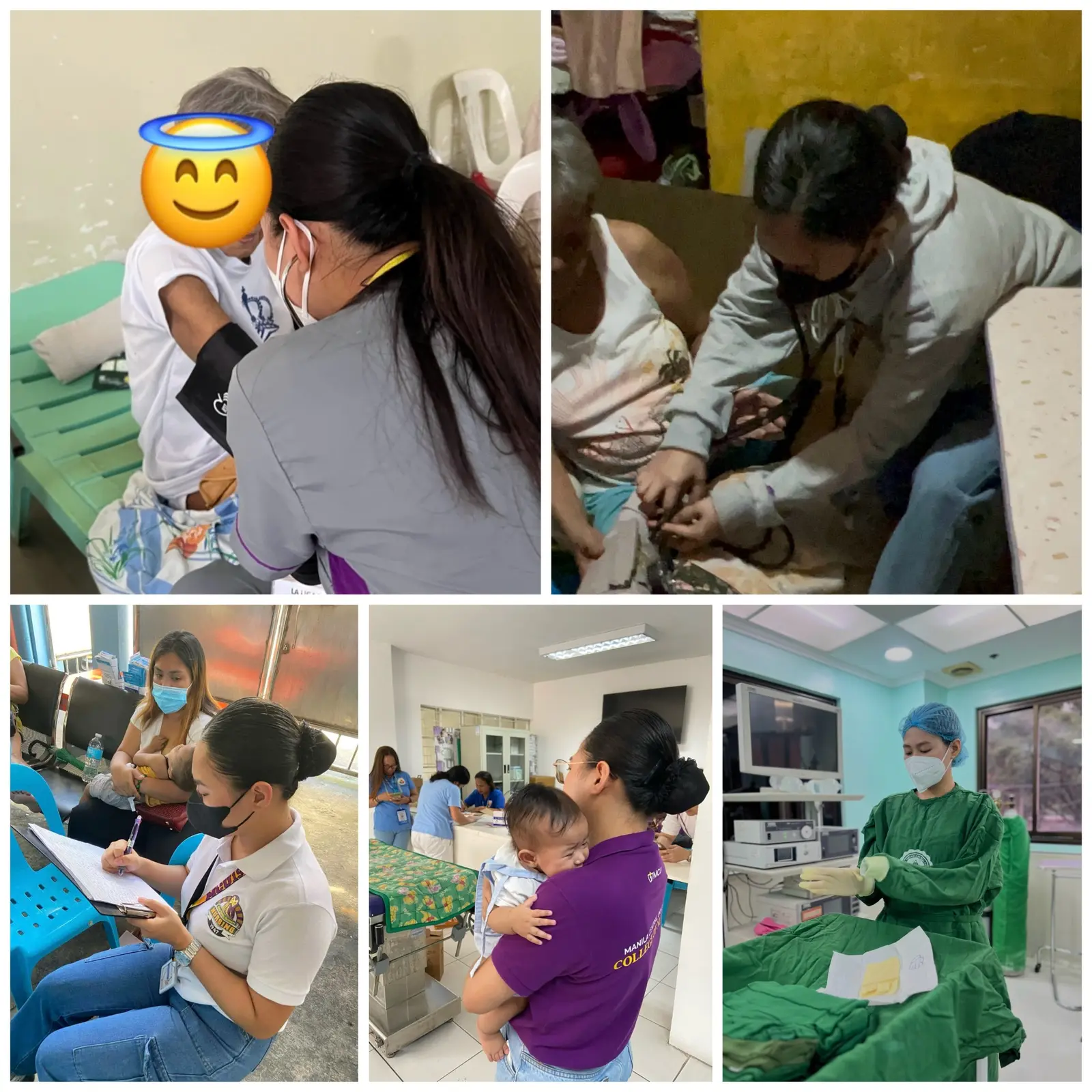
My nursing experiences introduced me to patient care, research, and community service. I joined research competitions and volunteered in medical missions in Marikina and Bataan, including serving as a medic during a large community program.
These experiences strengthened my teamwork and critical thinking. More importantly, they showed me that safe healthcare depends on careful decisions, clear communication, and a sincere commitment to the people we serve.
Care in action
Biochemistry journal
Select a chapter to open the reflection.
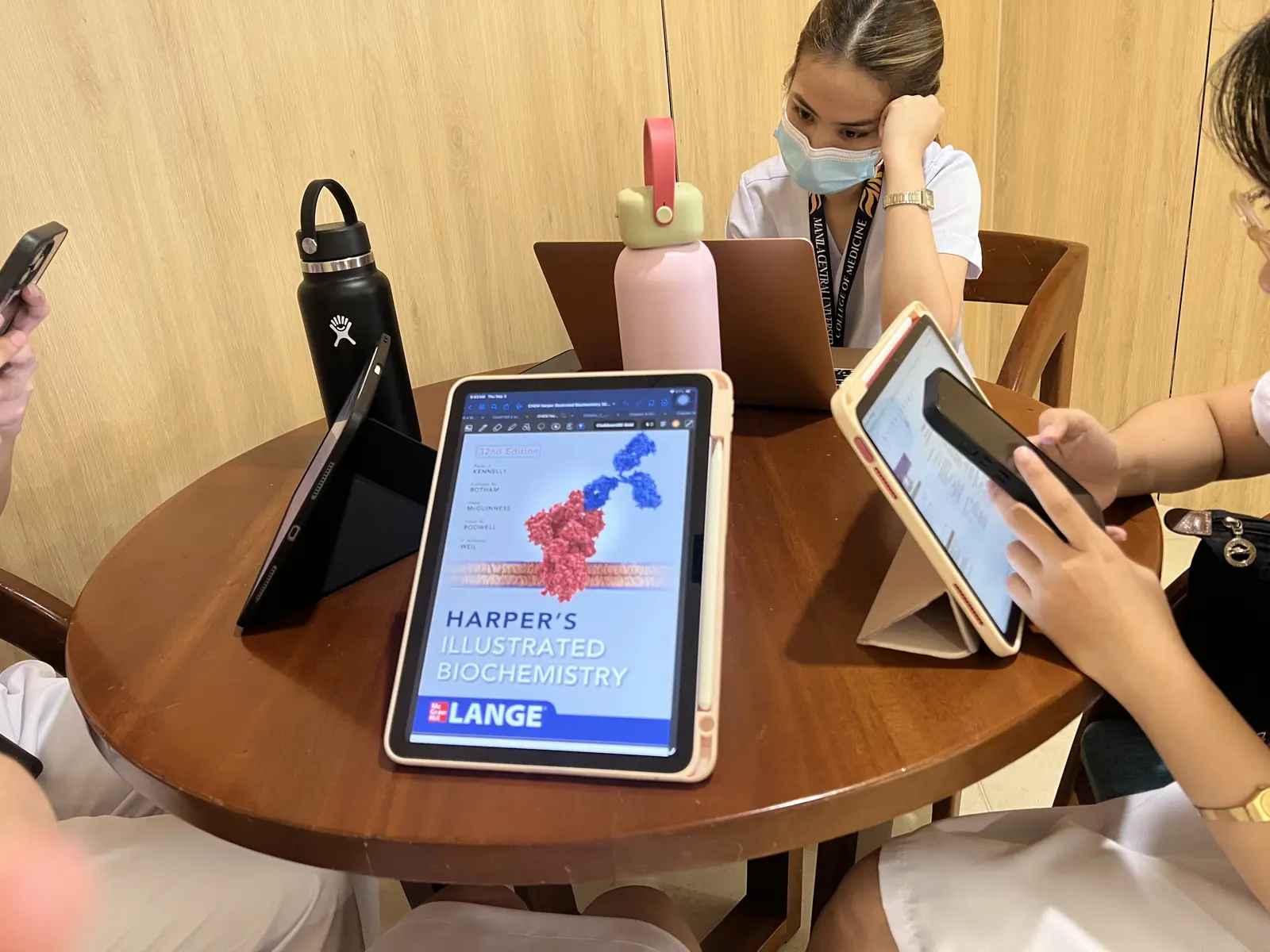
Our first quizzes covered Biochemistry and Medicine, Water, and pH. Although I answered some questions correctly, I knew that my preparation could have been better. The experience revealed gaps in my understanding and showed me that concepts in Biochemistry build on one another.
Rather than viewing the results negatively, I took them as an early reminder to adjust my study habits. I need to study consistently instead of relying on cramming. Moving forward, I want to prepare earlier and improve with every quiz, not simply for a higher score, but because I want to genuinely understand each lesson.
Our first Small Group Discussion made me realize how important it is to look at a patient's condition as a whole instead of focusing on one finding at a time. Even concerns such as vomiting and diarrhea can lead to serious problems when the body's balance is disrupted. I appreciated being able to connect what we learned in class to an actual patient situation.
As a future physician, I need to analyze information carefully rather than immediately assume that I already know the answer. This discussion encouraged me to become more attentive to details and more confident in applying Biochemistry to clinical situations.
This discussion taught me not to settle immediately on the most obvious answer. At first, I associated Henry's case with iron deficiency, but the complete set of findings showed me that I needed to examine the information more carefully before reaching a conclusion.
Biochemistry can help me think more logically when working through clinical cases. Medicine is not simply about remembering the right answer. It also requires understanding the reasoning behind it, a skill I want to continue developing throughout medical school.
My nursing education had already given me experience communicating with patients, but this activity showed me how the skill can continue to grow. We discussed how to ask questions properly, show genuine interest, and respond during a patient interview before practicing in doctor-and-patient roles.
Asking the right questions is not only about gathering information. It is also about helping a patient feel heard and comfortable enough to share important details. Scientific knowledge becomes more meaningful when I can communicate it with confidence, intention, and compassion.
I was already familiar with Labster because we used it during my Nursing undergraduate studies. Seeing it again was familiar, but this time I will be using it to study Biochemistry. Our first meeting was only an orientation, so I am curious to see how the simulations will help clarify topics that are difficult to visualize through lectures alone.
I look forward to discovering whether this interactive approach can make the subject easier to understand and more engaging in our upcoming activities.
I first encountered hemoglobin and myoglobin during nursing school, but revisiting them in Biochemistry deepened my understanding of their structures, chemical properties, and physiological roles. I began to see how molecular structure enables each protein to perform a distinct function in the body.
I was happy with my quiz performance because I was able to apply what I had learned. Still, a good score does not mean I have mastered the topic. I need to keep reviewing until I can explain why an answer is correct and connect that understanding to clinical situations.
The day before our prelim examination, we attended an online class from around 5:00 PM until 11:00 PM. I was genuinely grateful to Doc A for continuing to guide us late into the evening and for giving us the opportunity to clarify and review important lessons.
The session also made me realize that I had not given myself enough time to review everything properly. Biochemistry contains too many connected concepts to learn all at once. I want to prepare earlier, manage my time better, and study gradually. This is not only preparation for one examination, but an important lesson in the consistency, discipline, and long-term understanding that medicine requires.
Biochemistry has been one of the challenging parts of my transition from Nursing to Medicine. Although I already had a background in the health sciences, medical school has required me to understand concepts more deeply instead of relying only on what I already know.
Throughout the prelim period, some topics came easily while others required more time and effort. My quizzes and activities showed me that I need to avoid cramming and allow enough time for review. They also taught me that struggling with a lesson does not mean I cannot understand it. Sometimes, I simply need to return to the topic, review it again, and be patient with myself.
This period has encouraged me to become more consistent in my studies and appreciate the science behind the human body. I know that every concept I learn now will become part of my foundation as a future physician. Every difficult lesson is part of becoming a better physician.
Closing reflection
Biochemistry has been one of the defining challenges in my transition from nursing to medicine. It pushed me to understand the human body beyond what I already knew and taught me the value of perseverance and continuous learning.
As I continue this journey, I hope to carry Biochemistry as a foundation for becoming a knowledgeable, compassionate physician who serves others with both scientific understanding and genuine care.
Contact